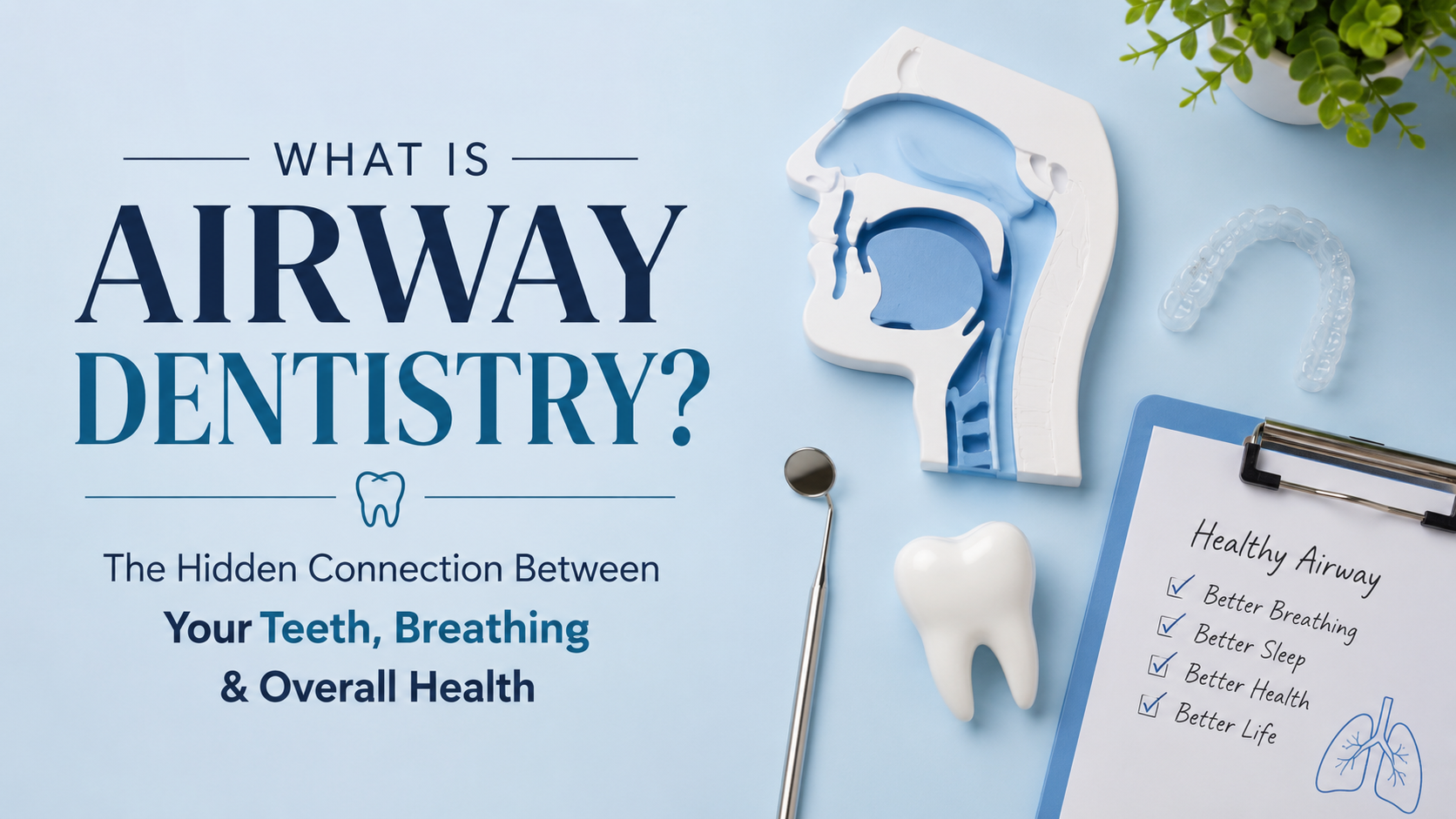
Many people think oral health only affects the mouth — but research shows that the bacteria living in your mouth can sometimes affect other parts of your body as well.
One surprising connection that scientists have studied is the link between oral bacteria and lung health.
Yes, bacteria from the mouth can make their way into the lungs, and in certain situations this can contribute to respiratory infections.
Your mouth naturally contains hundreds of types of bacteria. Most of the time, these bacteria are harmless when they stay in balance.
However, if someone has gum disease or poor oral hygiene, harmful bacteria can grow in larger numbers.
These bacteria can enter the lungs in a few ways:
This process is known as aspiration, where small amounts of saliva or bacteria travel into the respiratory tract.
Research has found that bacteria responsible for gum disease have been detected in the lungs of patients with certain respiratory conditions.
These include:
When bacteria from the mouth reach the lungs, they can contribute to inflammation and infection, especially in individuals who already have weakened immune systems or existing lung conditions.
Gum disease occurs when plaque bacteria build up around the teeth and gums, causing inflammation and infection.
When gum disease is present, the mouth can contain higher levels of harmful bacteria. This increases the chances that bacteria may be inhaled or enter the airway.
People who may be at higher risk include:
Keeping your mouth healthy can reduce the amount of harmful bacteria present in the mouth.
Simple habits that help protect both oral and overall health include:
Maintaining good oral hygiene helps control bacterial levels and lowers the risk of gum disease.
Dentistry is increasingly recognizing the strong connection between oral health and overall health.
While not every respiratory infection is caused by oral bacteria, maintaining healthy teeth and gums plays an important role in reducing potential risks.
Taking care of your mouth doesn’t just protect your teeth — it also supports your overall wellbeing.


.svg)