Many people think of acid reflux as a digestive issue, but it can also have a serious impact on your dental health.
If you’ve ever burped and noticed a sour or acidic taste in your mouth, especially after eating spicy foods or when you haven’t eaten for a while, you may have experienced symptoms related to acid reflux.
What many people don’t realize is that this acid can slowly damage your teeth over time.
Acid reflux occurs when stomach acid flows back up into the esophagus and sometimes into the mouth.
This acid is extremely strong because its job is to break down food in the stomach. When it reaches the mouth, it can come into contact with the teeth and begin affecting the enamel.
Some common signs of acid reflux include:
Even occasional reflux can expose your teeth to acid.
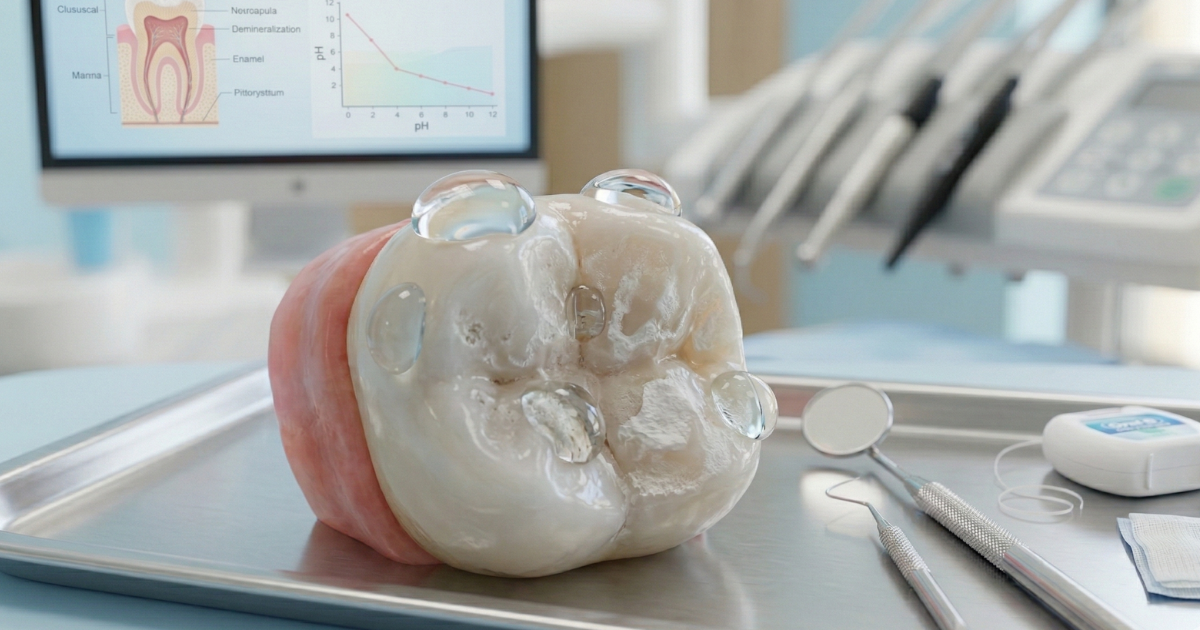
Your teeth are protected by enamel, which is the hard outer layer of the tooth. However, stomach acid can begin to dissolve the minerals in the enamel.
This process is called demineralization.
When enamel begins to weaken, it can lead to:
Over time, repeated acid exposure can significantly damage the structure of the teeth.
Dentists pay attention to signs of acid reflux because the damage can gradually lead to more serious dental problems.
When teeth become weakened, small areas of demineralization can develop. These areas are more vulnerable to bacterial attack and can eventually turn into cavities.
If cavities are not treated early, they can progress into more serious conditions such as:
Early detection helps prevent these complications.
If you suffer from acid reflux, protecting your teeth becomes especially important.
Your dentist may recommend:
The goal is to catch dental problems early before they develop into more complex treatments.
If you experience acid reflux, your dentist may recommend dental X-rays.
X-rays help dentists see areas of the teeth that cannot be examined visually, including:
These images allow dentists to detect problems early and treat them before they become more serious.
You only get one natural set of teeth, so protecting them is essential for long-term oral health.
With proper dental care and early monitoring, it is possible to keep your teeth strong and healthy well into your 60s, 70s, and beyond.
If you experience acid reflux or symptoms like a frequent acidic taste in your mouth, it’s a good idea to mention it during your dental visit so your dentist can help monitor and protect your teeth.


.svg)