When most people think about going to the dentist, they think about cavities, cleanings, braces, or whitening treatments. But what many patients don’t realize is that your mouth can reveal much bigger health issues happening throughout the body — especially problems related to breathing, sleep, and airway health.
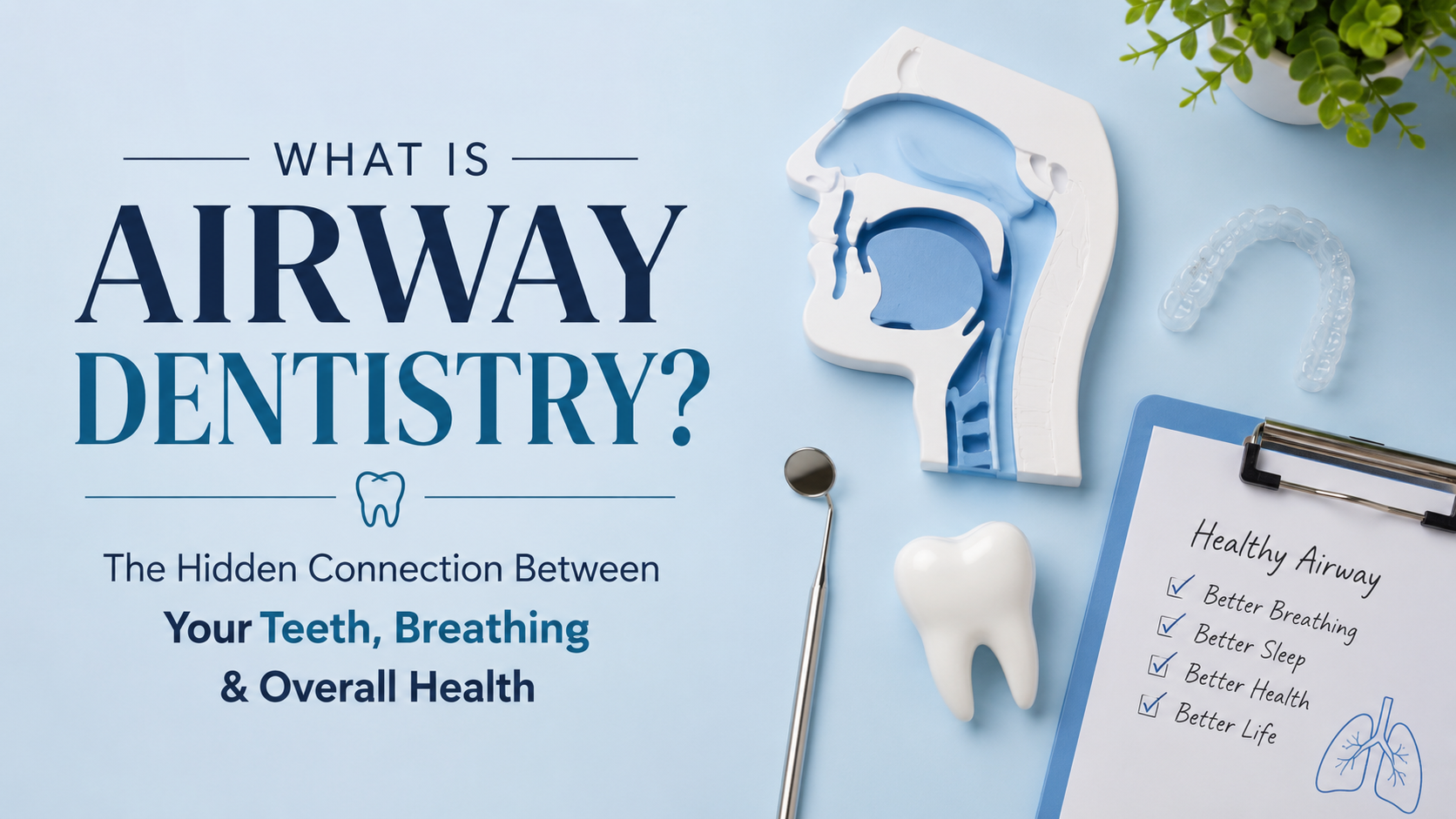
According to Dr. Shenilee Hazel, airway dentistry is changing the way modern dentists approach patient care by looking beyond the teeth and focusing on how oral structures affect breathing, sleep quality, jaw development, and overall wellness.
An airway dentist is a dental professional who has completed additional training focused on identifying and treating signs of airway dysfunction and breathing-related issues.
This goes beyond traditional dentistry.
Airway dentists are trained to recognize patterns and symptoms that may indicate underlying airway problems, including:
Rather than only treating the symptoms inside the mouth, airway dentistry looks at how the structure of the mouth, jaw, and airway work together.
Airway-related conditions are more common than many people realize.
Dr. Hazel explains that she regularly sees patients who show signs of airway dysfunction during routine dental visits. Many of these patients may also struggle with:
The issue is that many people don’t immediately connect these symptoms to their oral health.
However, the mouth often provides some of the earliest warning signs.
One of the key things airway dentists evaluate is something called the “arch form.”
Arch form refers to the shape of your upper and lower dental arches when viewed from above.
A healthy arch creates enough room for:
But according to Dr. Hazel, patients with airway issues often present with:
These structural issues can reduce the amount of space available for the tongue and airway, potentially contributing to breathing problems.
A high palate may seem like a minor dental characteristic, but in airway dentistry, it can be a significant indicator.
Dr. Hazel notes that patients with high palates often show patterns associated with:
When the upper jaw develops too narrowly, it can affect the nasal cavity and reduce airflow through the nose.
This is one reason airway dentists pay close attention to facial development and oral structure during examinations.
Another issue commonly connected to airway dysfunction is acid reflux.
Acid and teeth do not work well together.
Frequent acid exposure can:
Airway-related issues and disrupted breathing patterns may contribute to acid reflux in certain patients, making airway-focused diagnosis an important part of comprehensive dental care.
Many people think of Invisalign as purely cosmetic, but Dr. Hazel explains that clear aligner therapy can also play a functional role in airway dentistry.
Through careful treatment planning, Invisalign may help:
In some airway-focused cases, treatment may include forms of arch expansion to help improve oral structure and airway space.
The goal is not simply straighter teeth.
The goal is creating a healthier oral environment that supports better breathing and long-term wellness.
Mouth breathing is often normalized, especially in children and adults who have chronic congestion.
But airway dentistry views mouth breathing as a major red flag.
Long-term mouth breathing may contribute to:
In children especially, breathing patterns can influence how the jaws and face develop over time.
What makes airway dentistry different is that it takes a more holistic view of patient care.
Instead of focusing only on teeth, airway dentists evaluate how oral structures impact:
For many patients, identifying airway-related issues can lead to improvements not just in their smile — but in how they sleep, breathe, and feel every day.
You may benefit from an airway-focused dental assessment if you experience:
These symptoms may seem unrelated, but airway dentistry recognizes that they are often connected.
Modern dentistry is evolving beyond simply fixing teeth.
More dentists are now exploring how oral health connects to broader wellness, breathing, and long-term health outcomes.
For airway dentists like Dr. Shenilee Hazel, the goal is to help patients achieve not just straighter smiles — but healthier lives through improved breathing, function, and oral development.


.svg)